
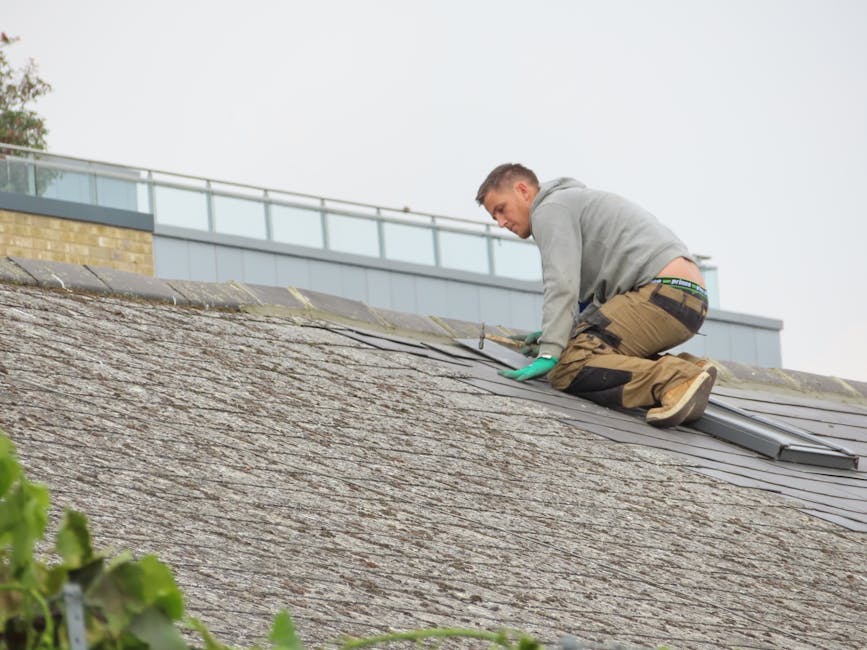
Why Your Roof Deserves Attention Every Season
Roofing maintenance tips for all seasons are essential for protecting your biggest investment—your home. Your roof works hard year-round, shielding you from summer heat, autumn storms, winter ice, and spring downpours. Without proper care, even a sturdy roof can develop problems leading to costly repairs or premature replacement.
Quick Answer: Essential Seasonal Roof Maintenance
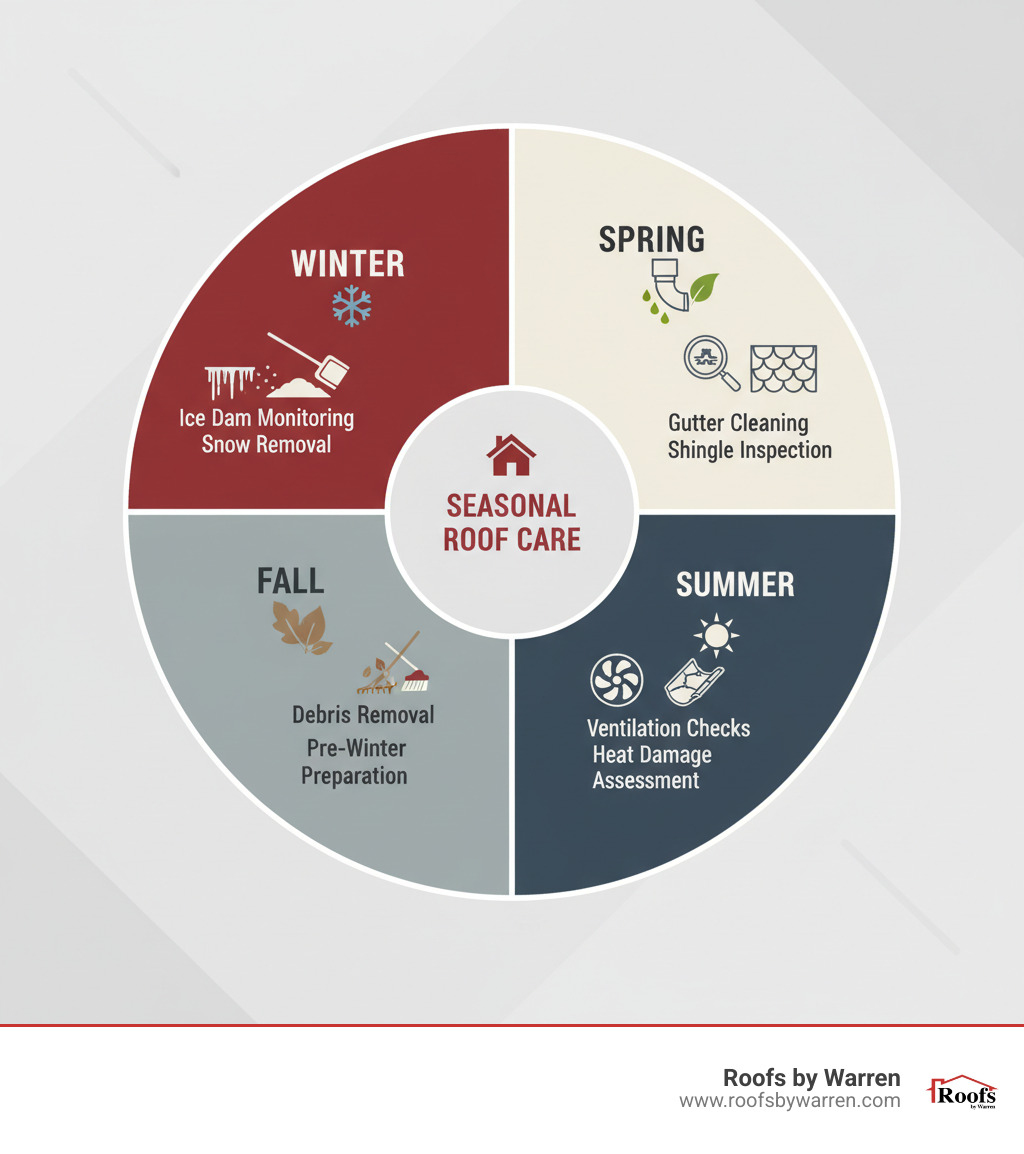
- Spring: Inspect for winter damage, clean gutters, check flashing, trim branches, look for moss/algae
- Summer: Check for heat damage and curling shingles, ensure ventilation is clear, inspect seals around vents
- Fall: Clean gutters thoroughly, remove debris, inspect shingles before winter, check for loose materials
- Winter: Monitor for ice dams, safely remove heavy snow, check attic for leaks, keep vents clear
The good news is that most roof maintenance is straightforward. Regular inspections and simple tasks can add years to your roof’s lifespan, helping an asphalt shingle roof reach its full 15-20 year potential. Different seasons bring unique challenges, from winter’s freeze-thaw cycles to summer’s UV rays. This guide breaks down what your roof needs throughout the year to help you catch small issues before they become big problems.
The Payoff: Why Regular Roof Maintenance is a Smart Investment
Regular roofing maintenance tips for all seasons aren’t just about upkeep—they’re about protecting your wallet, your home’s value, and your family’s comfort. Spending a few hours on maintenance now beats spending thousands on emergency repairs later.
The money argument is straightforward. Replacing a few damaged shingles is a minor cost, but fixing widespread water damage can cost thousands. One Urbana homeowner we know ignored a small flashing issue, which turned a $200 repair into a $6,000 nightmare of rotted decking and ruined insulation.
Beyond repairs, a well-maintained roof lowers your utility bills. Proper roof and attic ventilation means your home stays cooler in summer and warmer in winter, reducing the load on your HVAC system.
Your home’s structural integrity depends on keeping water out. Regular maintenance ensures every shingle and seal prevents water intrusion that leads to wood rot, structural weakness, and mold.
When it’s time to sell, a well-maintained roof is a top selling point. It tells buyers they won’t face immediate repair costs, which translates to better offers. As noted in Annual Maintenance and Roofing Tips for Every Homeowner, consistent care can extend your roof’s lifespan significantly.
Furthermore, your roofing warranty likely requires regular maintenance. Skipping inspections can void your warranty when you need it most. Keep records of all work. This principle of care applies to commercial properties too, as discussed in Why Investing in Quality Commercial Roofing Pays Off.
Finally, you can’t put a price on peace of mind. Knowing your roof can handle a severe Central Ohio storm lets you sleep soundly. A little consistent attention prevents painful and expensive emergencies down the road.
Your Seasonal Checklist: Roofing Maintenance Tips for All Seasons
Here in Central Ohio, your roof bears the brunt of all four seasons. The beauty of roofing maintenance tips for all seasons is that they’re mostly straightforward tasks. Let’s walk through what your roof needs as the year unfolds.
Spring Forward: Post-Winter Roofing Maintenance Tips for All Seasons
After months of battling winter’s freeze-thaw cycles, your roof needs a thorough inspection. Ohio’s soggy springs and potential hailstorms test any weaknesses. If you’ve had a hailstorm, see our What to Do After a Hailstorm: A Step-by-Step Guide.
Your spring maintenance should focus on:
- Inspect Shingles: From the ground, use binoculars to look for shingles that are curled, cracked, or missing.
- Check Flashing: Examine the metal strips around chimneys, skylights, and vents for rust, loose fasteners, or bad sealant.
- Clean Gutters: Clear out winter debris to ensure proper drainage and prevent water from backing up under the roofline.
- Address Moss/Algae: Treat any growth with a roof-friendly cleaner. Moss and algae trap moisture and break down shingles.
- Trim Branches: Cut back any overhanging branches that could scratch the roof or fall during a storm.
Summer Shield: Beating the Heat and Storms
Summer in Central Ohio brings intense UV rays and high temperatures that can damage your roof. UV rays make shingles brittle, while thermal shock from hot days and cool thunderstorms can cause cracks and warping. Strong winds and heavy rain test every weak point. Learn more about How Wind Damage Affects Your Entire Roofing System.
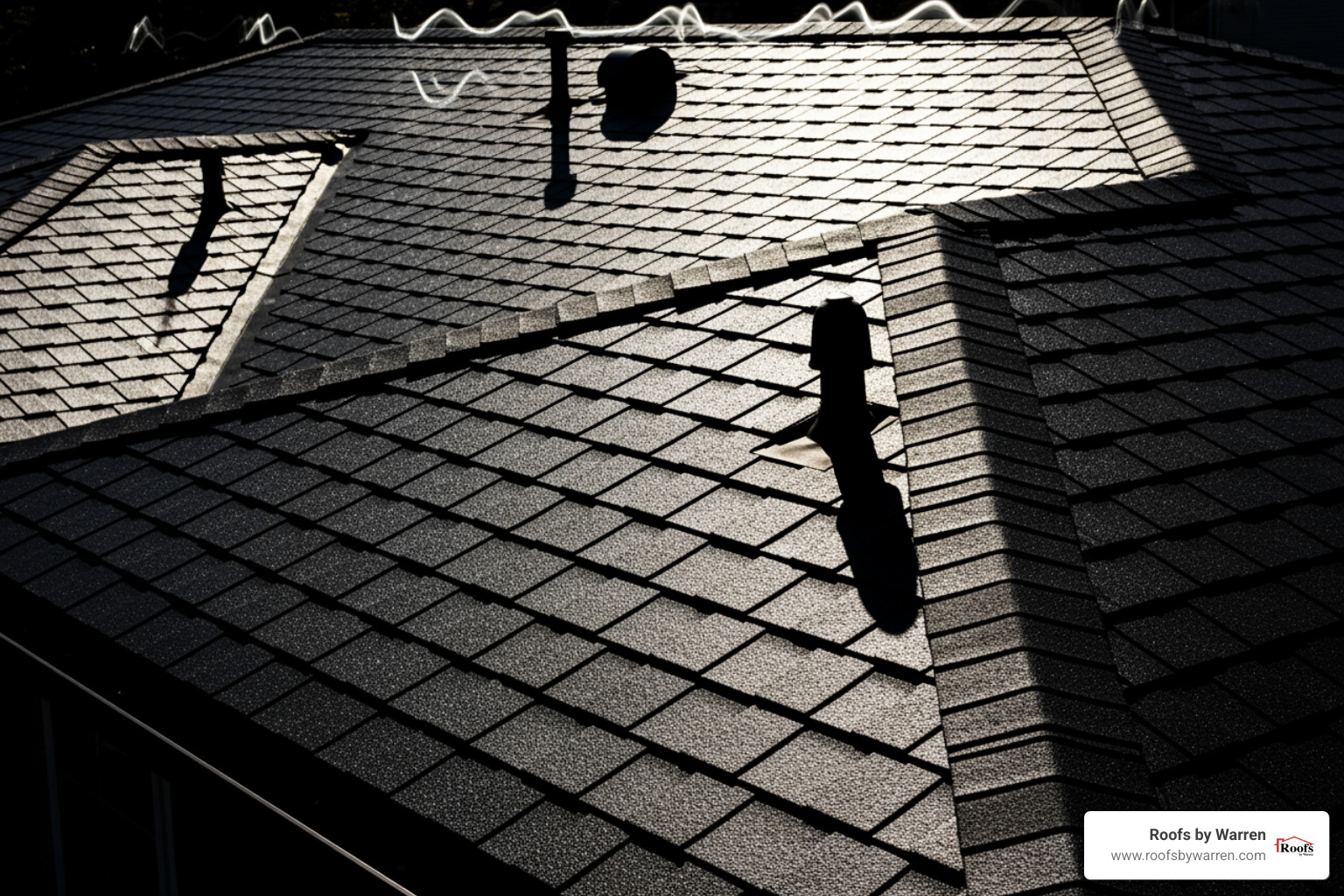
During summer, keep an eye on these issues:
- Watch for Heat Damage: Look for shingles that are cracking or curling at the edges.
- Check for Moss/Algae: Humid conditions are perfect for growth; address it promptly.
- Ensure Ventilation is Clear: Proper attic airflow is critical. Blocked vents can cook shingles from below, shortening their lifespan and raising AC bills. Make sure ridge, gable, and soffit vents are clear.
- Examine Seals: The sun can crack caulk around vents and skylights. Check for gaps that could let in rain.
Fall Cleanup: Pre-Winter Roofing Maintenance Tips for All Seasons
Fall is the most critical season for roof maintenance. It’s your last chance to prepare for winter. Falling leaves and twigs clog gutters, causing water to overflow and creating the perfect conditions for ice dams. Debris on the roof traps moisture, promoting rot and moss. For local advice, see How Fall Weather Affects Asphalt Shingles: What Pickerington Homeowners Should Do.
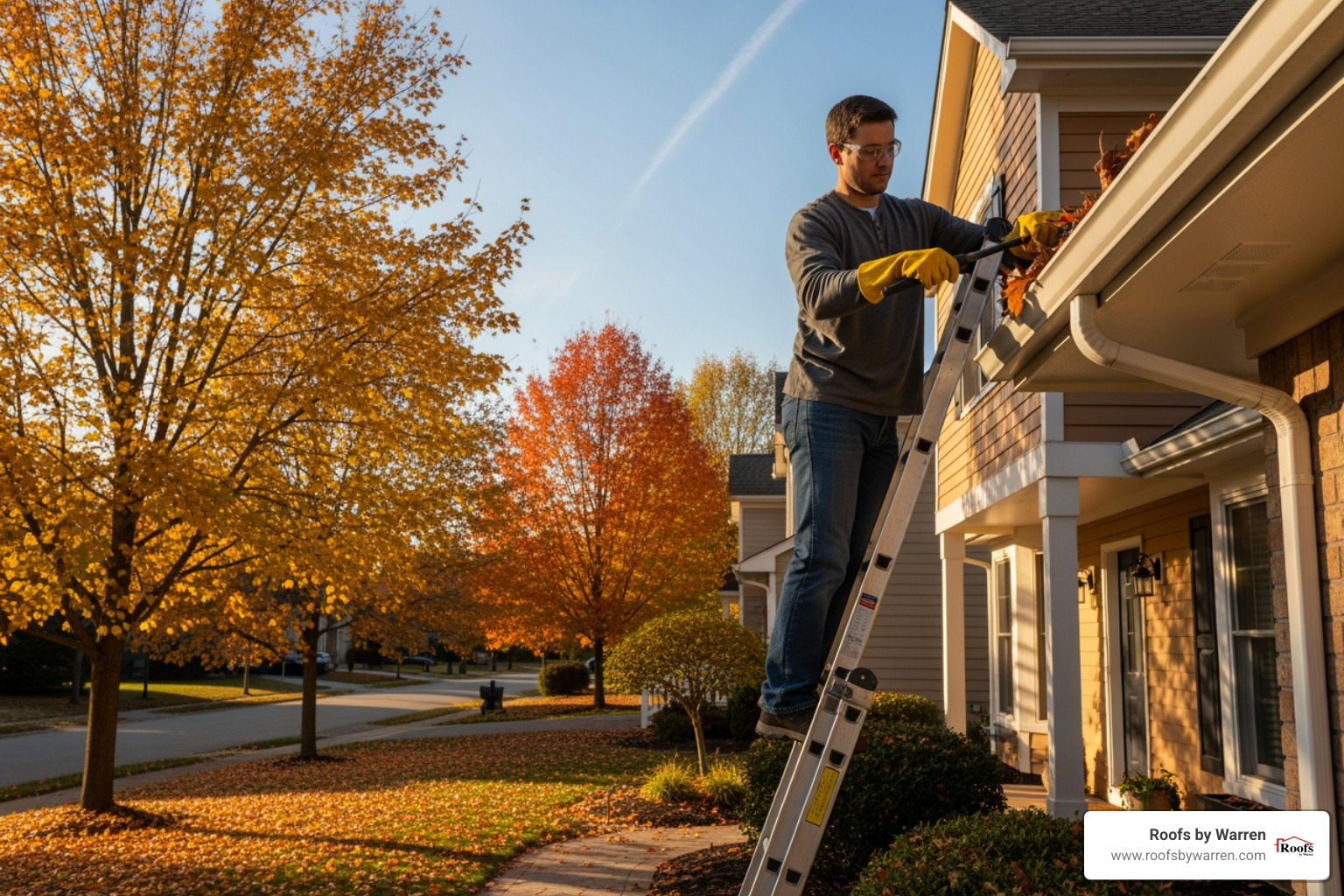
Here’s what needs your attention in fall:
- Clean Gutters Thoroughly: This is non-negotiable. Remove all debris and ensure downspouts direct water away from the foundation. Learn about Proper Gutter Placement.
- Remove Roof Debris: Gently sweep or blow leaves and branches off the roof surface, especially in valleys.
- Final Shingle Inspection: Repair any loose, cracked, or missing shingles before freezing temperatures arrive.
- Check Flashing: Ensure all flashing is secure and seals are intact before winter weather makes repairs difficult.
Winter Watch: Protecting Your Roof from Snow and Ice
Winter in Central Ohio brings ice dams, heavy snow, and freeze-thaw cycles. While you shouldn’t be on your roof, monitoring from the ground is key. For insights on how different materials handle winter, see How Metal Roofing Protects London, Ohio Homes from Harsh Winter Weather.
Your winter maintenance focuses on monitoring:
- Watch for Ice Dams: Large icicles are a telltale sign. Address them before water gets inside.
- Remove Heavy Snow Safely: Use a roof rake from the ground to carefully remove snow from the lower edges. Never climb on a snowy roof or use sharp tools.
- Check Your Attic: Periodically look for signs of moisture or leaks.
- Keep Vents Clear: Ensure snow doesn’t block roof vents, as this can lead to moisture buildup and ice dams.
Beyond the Seasons: Year-Round Roof Health Essentials
While our seasonal checklist gives you a structured approach, some aspects of roof health require constant attention.
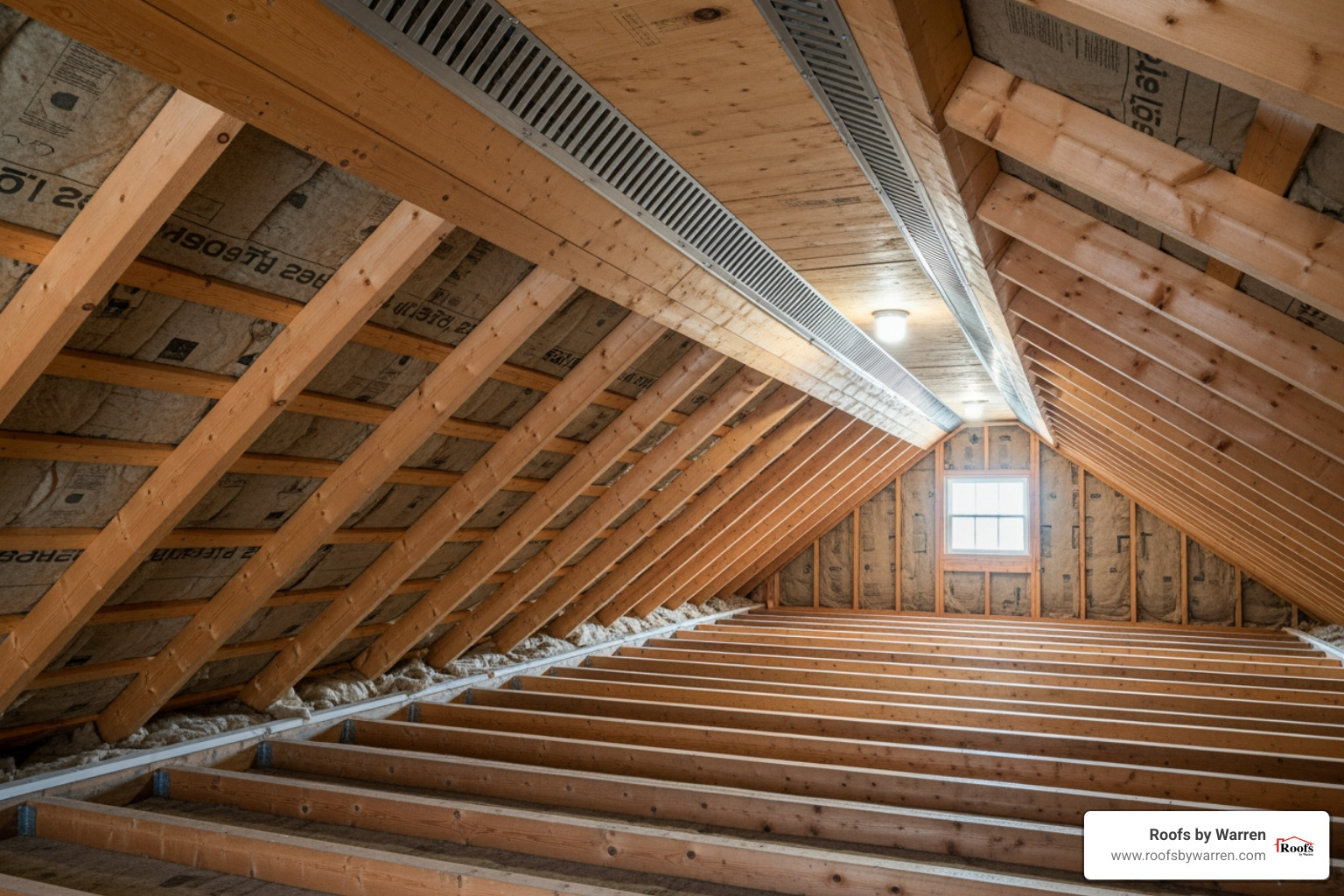
The Critical Role of Attic Ventilation and Insulation
Your attic’s ventilation and insulation are crucial for year-round roof health. This system regulates temperature and controls moisture.
- In Summer: Good ventilation allows superheated air to escape, preventing it from cooking your shingles from below and driving up cooling costs.
- In Winter: Proper insulation keeps warm air in your living space. This prevents it from leaking into the attic and melting snow on the roof, which is the primary cause of ice dams.
A well-ventilated attic also prevents moisture buildup from daily activities, which can lead to mold, mildew, and wood rot. The result is a healthier roof, a more comfortable home, and lower energy bills. Proper ventilation and insulation are foundational investments to extend the lifespan of your roof.
Maintenance for Different Roofing Materials
The right roofing maintenance tips for all seasons depend on your roofing material.
- Asphalt Shingles: The most common material in Central Ohio. Watch for granule loss (tiny particles in your gutters), which indicates aging and UV damage. Also look for curling, cracking, or missing shingles. Learn more about Asphalt Shingles.
- Metal Roofs: Incredibly durable but not maintenance-free. Periodically check that sealants and fasteners are secure, as they can loosen over time. While they require less maintenance, an annual check is wise. See our Metal Roofing page for more info.
- Tile and Slate Roofs: These long-lasting roofs are vulnerable to cracked or broken tiles, usually from impact. Individual tiles can be replaced.
| Material | Lifespan | Key Maintenance Needs | Primary Concerns |
|---|---|---|---|
| Asphalt Shingles | 15-30 years | Regular inspections, gutter cleaning, moss/algae treatment | Granule loss, curling, cracking, wind damage |
| Metal Roofing | 40-70 years | Fastener checks, sealant inspection, debris removal | Loose fasteners, sealant deterioration, minor denting |
| Tile/Slate | 50-100+ years | Individual tile replacement, underlayment checks | Cracked tiles, broken pieces, flashing issues |
Warning Signs Your Roof Needs Immediate Attention
Some issues can’t wait for a seasonal check. Contact a professional immediately if you see:
- Water Stains: Brownish spots on ceilings or walls are a clear sign of a leak.
- Sagging Roof Deck: A dip or sag in your roofline is a serious structural issue.
- Daylight in Attic: If you can see light through the roof boards, water can get in.
- Excessive Granules in Gutters: This signals that your shingles are rapidly deteriorating.
- Musty Odors in Attic: This often indicates hidden moisture and potential mold growth.
These signs apply to commercial properties as well. See our guide on Warning Signs Your Commercial Roof Needs Repair. Catching problems early saves money and prevents extensive damage.
Beyond the Seasons: Year-Round Roof Health Essentials
While the seasonal checklist covers the basics, a few fundamentals matter all year: keep air moving, moisture controlled, and materials in good shape.
The Critical Role of Attic Ventilation and Insulation
Balanced intake and exhaust ventilation let hot, humid air escape in summer and help maintain a cold attic in winter, limiting ice dams. Adequate insulation keeps warm air in living spaces and reduces condensation. The result: fewer leaks, less mold risk, and lower energy bills. Learn more ways to extend the lifespan of your roof.
Maintenance for Different Roofing Materials
- Asphalt shingles: Watch for granule loss, curling, cracking, or missing tabs. More details: Asphalt Shingles.
- Metal roofing: Check fasteners and sealants; clear debris and address any coating issues early. Learn more: Metal Roofing.
- Tile/slate: Replace cracked or broken pieces promptly; avoid walking on these roofs.
Warning Signs Your Roof Needs Immediate Attention
Act fast if you notice: water stains on ceilings, a sagging roof deck, daylight visible in the attic, excessive granules in gutters, or musty attic odors. These apply to commercial roofs as well—see Warning Signs Your Commercial Roof Needs Repair.
Introduction
Roofing maintenance tips for all seasons protect your home from Ohio’s heat, storms, snow, and spring downpours. With simple, regular care, you can prevent costly repairs and help your roof reach its full lifespan. This guide highlights essential tasks for each season so you can spot small issues early and keep your home protected year-round.
The Payoff: Why Regular Roof Maintenance is a Smart Investment
- Prevent expensive repairs by fixing small issues (like loose shingles or flashing) before they cause leaks and interior damage.
- Improve comfort and lower utility bills with proper ventilation and insulation working alongside a healthy roof system.
- Protect home value: documented maintenance reassures buyers and supports stronger offers.
- Keep warranties valid by performing and recording routine inspections.
- Enjoy peace of mind during severe Central Ohio weather.
For more, see Annual Maintenance and Roofing Tips for Every Homeowner and why consistent care pays off for businesses too: Why Investing in Quality Commercial Roofing Pays Off.
Your Seasonal Checklist: Roofing Maintenance Tips for All Seasons
Use this quick refresher to back up your main checklist and keep critical links handy.
Spring Forward: Post-Winter Roofing Maintenance Tips for All Seasons
Freeze-thaw and spring storms expose weak spots. After hail, review What to Do After a Hailstorm: A Step-by-Step Guide.
- Inspect for missing, curled, or cracked shingles (use binoculars from the ground).
- Check flashing and seals around chimneys, skylights, vents, and valleys.
- Clean gutters/downspouts to prevent water backup.
- Treat moss/algae; never pressure wash shingles.
- Trim back overhanging branches.
Summer Shield: Beating the Heat and Storms
UV, heat, and wind stress materials; understand How Wind Damage Affects Your Entire Roofing System.
- Look for cracked or curling shingles and blistering.
- Address algae/moss early in humid weather.
- Confirm ridge/gable/soffit vents are clear for proper attic airflow.
- Recheck caulk/sealant around penetrations.
Fall Cleanup: Pre-Winter Roofing Maintenance Tips for All Seasons
Leaves and debris trap moisture and clog gutters—key risks before freezing temps. Local tips: How Fall Weather Affects Asphalt Shingles: What Pickerington Homeowners Should Do and Proper Gutter Placement.
- Thoroughly clean gutters/downspouts; ensure runoff moves away from the foundation.
- Remove debris from roof surfaces and valleys.
- Repair loose/cracked/missing shingles; confirm flashing is secure.
- Document roof condition with photos.
Winter Watch: Protecting Your Roof from Snow and Ice
Ice dams, heavy snow, and freeze-thaw cycles require vigilance. See how metal handles winter: How Metal Roofing Protects London, Ohio Homes from Harsh Winter Weather.
- Monitor for ice dams (large icicles along eaves are a red flag).
- If needed, use a roof rake from the ground to reduce heavy loads—never climb on a snowy roof.
- Check the attic periodically for moisture, stains, or musty odors.
- Keep ridge/soffit/gable vents free of snow.
Beyond the Seasons: Year-Round Roof Health Essentials
Some roof priorities never take a season off: keep air moving, control moisture, and monitor material condition.
The Critical Role of Attic Ventilation and Insulation
Ventilation sheds summer heat and winter moisture; insulation keeps living-area warmth out of the attic, reducing ice dams and condensation. Together they improve comfort and cut energy use. Learn more: Extend the lifespan of your roof.
Maintenance for Different Roofing Materials
- Asphalt shingles: Watch granule loss and surface wear; fix curled/cracked/missing shingles. Details: Asphalt Shingles.
- Metal roofing: Inspect fasteners/sealants and clear debris annually. More: Metal Roofing.
- Tile/slate: Replace cracked pieces promptly.
Stay proactive and schedule repairs as soon as issues appear.
Beyond the Seasons: Year-Round Roof Health Essentials
A healthy roof depends on the interior environment, not just the exterior surface.
The Critical Role of Attic Ventilation and Insulation
Balanced intake/exhaust ventilation and adequate insulation help prevent ice dams, reduce attic moisture, and lower HVAC strain. Many homeowners see 10–15% energy savings after addressing attic issues. Guidelines typically call for roughly 1 sq ft of net free vent area per 150 sq ft of attic. See more on extending your roof’s lifespan.
Maintenance for Different Roofing Materials
- Asphalt shingles: Monitor granules, curling, cracking; repair promptly. Learn more: Asphalt Shingles.
- Metal roofing: Check fasteners/sealants and finish; address scratches or coating issues early. Details: Metal Roofing.
- Tile/slate: Replace damaged pieces to protect underlayment.
Warning Signs Your Roof Needs Immediate Attention
Water stains, a sagging roof deck, daylight in the attic, musty odors, or piles of granules in gutters warrant prompt professional help. For businesses, see Warning Signs Your Commercial Roof Needs Repair.
Protect Your Investment with Proactive Roof Care
Your roof is your home’s first line of defense. By following these roofing maintenance tips for all seasons, you’re making a smart investment that extends your roof’s lifespan, prevents costly repairs, and provides peace of mind.
Year-round vigilance—from clearing gutters in the fall to inspecting for damage in the spring—is the secret to a healthy roof. A little proactive care goes a long way in Central Ohio, leading to lower energy bills and a home that’s protected through every season.
For homeowners in Urbana, London, Grove City, Pickerington, Bellefontaine, and surrounding areas, a professional assessment is the best starting point. At Roofs by Warren, we are committed to protecting your investment with integrity and skilled craftsmanship. We’re your one-stop solution for all exterior needs.
Don’t wait for a small problem to become a big headache. Ready to give your roof the expert attention it deserves? Schedule your Free Roof Inspection today! Let’s work together to keep your home safe and valuable for years to come.