
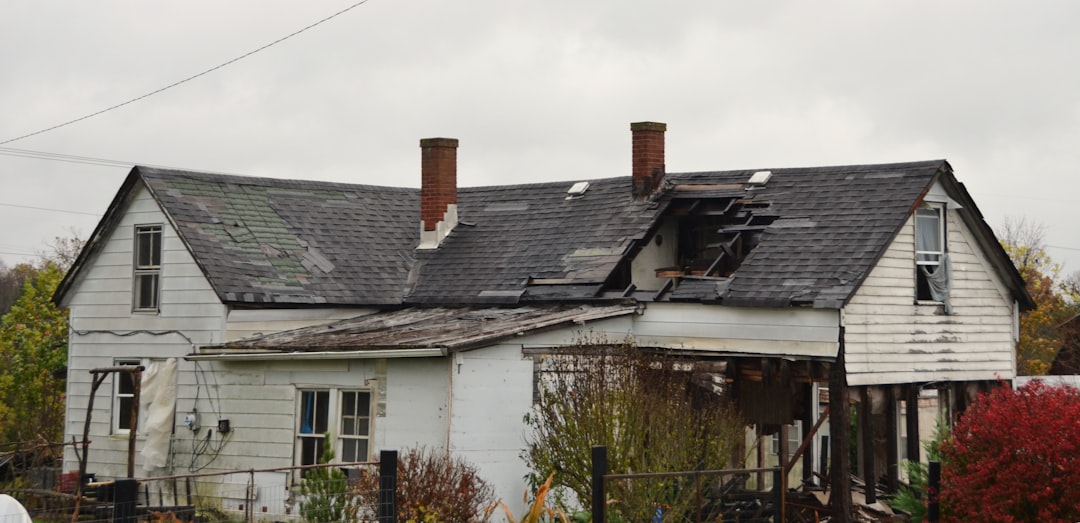
Why Getting the Right Insurance Claim Roofing Help Matters
Insurance claim roofing help is critical when storm damage strikes your home. Here’s what you need to know right now:
Quick Action Guide:
- Safety First – Secure your property and document all damage immediately
- Contact Your Insurer – Report the claim promptly, respecting your policy’s deadline
- Get Professional Help – Have a qualified roofer inspect and meet with the adjuster
- Understand Your Coverage – Know if you have Replacement Cost Value (RCV) or Actual Cash Value (ACV)
- Pay Your Deductible – Be prepared to pay your policy’s deductible out of pocket
Storm damage to your roof is stressful enough without the added complexity of navigating an insurance claim. In recent years, the costs for roof repair and replacement have risen significantly, with wind and hail accounting for a majority of all residential roofing claims.
The insurance claims process can feel overwhelming. You’re dealing with adjusters, policy language, depreciation calculations, and contractor estimates. Many homeowners don’t understand the difference between Actual Cash Value and Replacement Cost Value coverage until it’s too late. Others miss crucial deadlines or fail to document damage properly.
That’s where expert guidance makes all the difference.
This guide walks you through every step of filing a successful roof insurance claim, from documenting damage to working with adjusters. You’ll learn why partnering with an experienced roofer is key and how to handle common challenges like denied or underpaid claims.
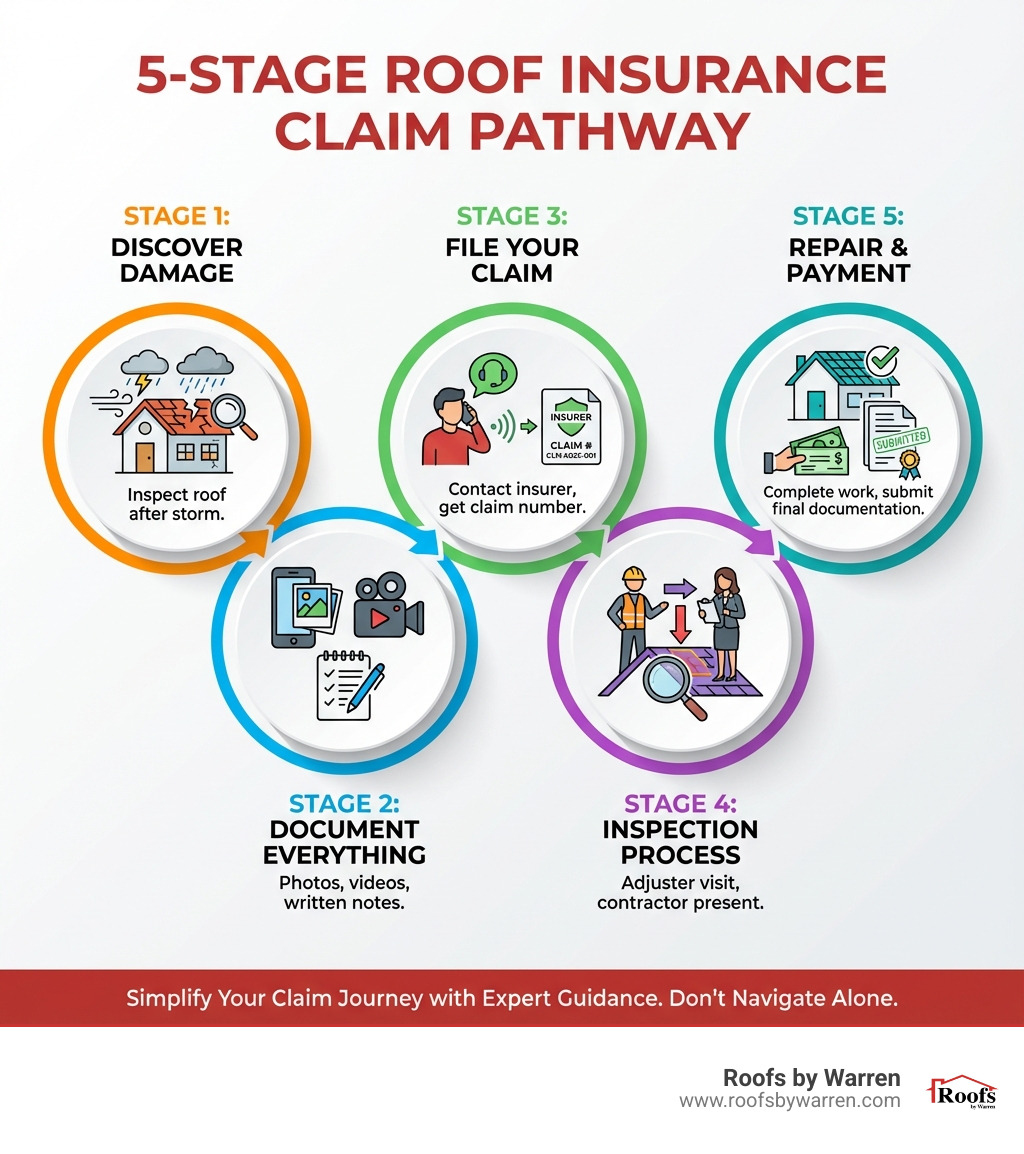
Step 1: Immediate Actions After Finding Roof Damage
When a storm hits Central Ohio, safety is the top priority. Once your family is safe, you must protect your property from further damage. This immediate action is not just common sense; it’s often required by your insurance policy.
Why Immediate Roof Repairs After Wind Damage Matters
After a severe weather event, even seemingly minor damage can quickly escalate if left unaddressed. A small crack or a few missing shingles can allow water to seep into your home, leading to extensive interior damage, mold growth, and compromised structural integrity. This is why immediate temporary repairs are crucial. We’ve seen how quickly a situation can worsen, and that’s why we emphasize the importance of swift action. For more on this, read our guide on Why immediate roof repairs after wind damage matters.
Temporary Repairs (Tarping)
Tarping your roof is an effective temporary repair. Cover damaged areas with a waterproof tarp, securely fastened to prevent water intrusion. This vital step mitigates further loss. Avoid making permanent repairs until your insurance adjuster has assessed the damage.
Saving Receipts
Carefully document any expenses for temporary repairs, like tarps or professional help. Keep all receipts, as these costs are often reimbursable through your claim.
How to Effectively Document Damage for Your Claim
Thorough documentation is the cornerstone of a successful insurance claim roofing help process. Insurance companies rely heavily on clear evidence, and your detailed records will be invaluable.
Photo and Video Evidence
As soon as it’s safe, grab your phone or camera and start documenting. Take a comprehensive series of photos and videos:
- Wide Shots: Capture the overall condition of your roof and property from various angles. This helps show the extent of the damage.
- Close-ups: Focus on specific areas of damage, such as missing or cracked shingles, dents from hail, damaged flashing, or any signs of water intrusion inside your home (like ceiling stains).
- Date and Time Stamps: Ensure your photos and videos are date and time-stamped if possible. This provides irrefutable proof of when the damage occurred.
- Surrounding Area: Don’t forget to document damage to other exterior elements like gutters, siding, fences, or even your landscaping, as these can also be covered.
Written Log of Damage
Beyond visuals, keep a detailed written log. This should include:
- The exact date and time the storm occurred.
- A description of the weather conditions (e.g., “severe hail storm,” “high winds”).
- A list of all observed damages, noting their location on the roof.
- Any steps you took for temporary repairs.
- A record of all communications with your insurance company and contractors, including dates, times, names, and a summary of discussions.
For a step-by-step guide on what to do after specific storm events, check out our article: What to do after a hailstorm: A step-by-step guide.
Decoding Your Policy: What Every Homeowner Needs to Know
Understanding your homeowners insurance policy is critical for effective insurance claim roofing help. Many homeowners in Central Ohio don’t grasp what their policy covers until they file a claim. Your policy is a contract, and knowing its details can significantly impact your claim’s outcome.
Covered Perils
Most standard homeowners insurance policies (often an HO-3 policy) cover sudden and accidental roof damage caused by specific events, known as “perils.” These typically include:
- Wind storms (which can affect your entire roofing system, as detailed in our article How wind damage affects your entire roofing system)
- Hail storms
- Fallen trees or limbs
- Fire and smoke
- Lightning
- Vandalism or malicious mischief
However, policies usually have “open perils” coverage for the structure of your house (meaning anything not specifically excluded is covered) and “named perils” for your personal property (meaning only the perils listed are covered).
Common Exclusions
Just as important as knowing what’s covered is understanding what’s excluded. Common exclusions that can lead to denied roof claims include:
- Wear and Tear: Damage that occurs gradually over time due to the natural aging process of your roof. Your insurer expects you to maintain your roof.
- Lack of Maintenance: If your roof damage is deemed a result of neglect or failure to perform routine maintenance, your claim may be denied.
- Pre-existing Damage: Damage that existed before your current policy or before the reported incident.
- Catastrophic Events: Some policies exclude damage from floods or earthquakes, which typically require separate insurance.
Roof Age and Condition Impact
The age and condition of your roof significantly affect your insurance coverage. If your roof is aging, its condition might be a factor in how your claim is handled. Insurers might offer different coverage terms for older roofs, or they might even deny coverage if the roof is considered beyond its useful lifespan. For instance, home insurance will often cover roof leaks caused by sudden damage, but not leaks that have developed over time because of normal wear and tear or aging. It’s crucial to clarify your policy’s stance on older roofs with your provider.
ACV vs. RCV: The Most Important Part of Your Roof Coverage
Understanding the difference between Actual Cash Value (ACV) and Replacement Cost Value (RCV) coverage is paramount. This distinction determines how much your insurance company will pay for your roof repair or replacement.
- Actual Cash Value (ACV): An ACV policy pays out the depreciated value of your current roof, minus your deductible. This means the insurance company calculates the current market value of your roof, considering its age, condition, and remaining lifespan, and then subtracts that depreciation from the replacement cost. You are then responsible for the difference between the depreciated value and the actual cost of a new roof, plus your deductible.
- Replacement Cost Value (RCV): An RCV policy covers the entire cost to repair or replace your roof with new materials of similar kind and quality, without deducting for depreciation. With RCV, you typically receive an initial payment based on the ACV, and then a second payment (the “recoverable depreciation”) after the repair or replacement work is completed and verified. This ensures you receive the full cost of a new roof, minus your deductible.
| Coverage Type | Initial Payment (before deductible) | Homeowner’s Out-of-Pocket |
|---|---|---|
| Actual Cash Value (ACV) | Depreciated value of old roof | Deductible + remaining cost for new roof |
| Replacement Cost Value (RCV) | Full cost of new roof (in stages) | Deductible only |
As you can see, an RCV policy offers significantly more comprehensive protection, ensuring you aren’t left with a substantial out-of-pocket expense beyond your deductible for a new roof.
Deductibles, Law & Ordinance, and Filing Deadlines
Beyond ACV vs. RCV, several other policy aspects are critical for effective insurance claim roofing help.
Deductibles
Your deductible is the amount you must pay out-of-pocket before your insurance company covers the remaining cost of a claim. This can be a fixed dollar amount or a percentage of your home’s insured value. Understanding whether you have a fixed or percentage-based deductible is crucial for financial planning.
Ordinance and Law Coverage
This often-overlooked coverage is incredibly important, especially for older homes in Central Ohio. Ordinance and Law coverage helps pay for the additional cost to rebuild or renovate your home to meet current building codes after a major covered loss. If your roof needs replacement after storm damage, local building codes might require upgrades (e.g., different underlayment, ventilation, or fastening methods) that weren’t present in your original roof. Without this coverage, you could be responsible for these additional costs.
Statute of Limitations
There’s a specific timeframe, known as the statute of limitations, during which you can file an insurance claim after damage occurs. This period varies by state and can be several years long. However, it’s crucial to file your claim promptly to avoid potential denial due to missed deadlines. Always check your policy or consult your insurer for the exact timeframe applicable in Ohio.
For more in-depth information, you can also consult external resources like A helpful guide to insurance claims.
The Claims Process: Filing, Inspection, and Getting Insurance Claim Roofing Help
After taking immediate steps and reviewing your policy, it’s time to start the claims process. This involves contacting your insurer, preparing for an inspection, and understanding how a qualified roofer can be your best advocate.
Contacting Your Insurer
The moment you find potential roof damage, contact your insurance company. You can usually do this online, via a mobile app, by calling their claims line, or by contacting your local agent. Report the incident as soon as possible. During this initial contact, you’ll be given a claim number. Keep this number handy, as it will be your reference for all future communications.
You may also be asked to complete a “proof of loss” form. This is a formal statement you provide to your insurer detailing the loss, helping them determine their liability. Fill this out accurately and thoroughly.
Insurance Adjuster’s Role
After you file your claim, your insurance company will assign an adjuster. The adjuster’s role is to investigate your claim, assess the damage, and determine the estimated cost of repairs or replacement. They are the sole authority for approving your roof damage claim. They will visit your property to conduct an inspection.
Preparing for the Adjuster’s Visit
This is where your meticulous documentation from Step 1 becomes invaluable. Before the adjuster arrives:
- Gather all your photos, videos, and written logs of the damage.
- Have any receipts for temporary repairs ready.
- If you’ve had a professional roofer conduct an initial inspection, have their report available.
- Be present during the inspection. This allows you to point out all visible damages, especially those that might be subtle or in less obvious areas.
The Crucial Role of a Qualified Roofing Contractor
While the adjuster works for the insurer, a qualified roofer works for you. Their expertise in assessing roof damage is a critical part of successful insurance claim roofing help.
Professional Damage Inspection
An experienced roofing contractor can perform a thorough inspection, often identifying damage that an adjuster might miss. This includes subtle hail impacts, wind-lifted shingles, or underlying issues that aren’t immediately obvious. Our team at Roofs by Warren specializes in storm damage assessment, and we know exactly what to look for on roofs across Urbana, London, Grove City, Pickerington, Bellefontaine, and Central Ohio. We offer a Free Roof Inspection to help you get started.
Meeting the Adjuster
Having your chosen roofing contractor present during the adjuster’s inspection can make a significant difference. Your contractor can:
- Walk the roof with the adjuster, pointing out all identified damages.
- Explain the technical aspects of the damage and how it impacts the roof’s integrity.
- Advocate for a comprehensive scope of work that truly addresses all damage.
Explaining the Scope of Work
Insurance adjusters create an initial “scope of loss” report, detailing what they believe needs to be repaired or replaced. Your contractor can review this report to ensure it accurately reflects all necessary repairs and adheres to local building codes.
Supplementing the Claim
It’s common for initial insurance estimates to be incomplete. They might leave out necessary line items such as local code requirements, specific labor costs, dump fees, or appropriate overhead and profit. This is where “supplementing the claim” comes in. Your experienced roofing contractor can submit a detailed supplement to the insurance company, outlining any missed items or additional costs required to bring your roof back to pre-storm condition, or better. This ensures the full cost of the job is covered.
Choosing the Right Contractor for Insurance Claim Roofing Help
Selecting the right roofing contractor is paramount to a smooth and successful insurance claim. You need a partner who understands both roofing and the claims process.
Local and Licensed
Always choose a local, licensed, and insured roofing company. Local contractors are familiar with Ohio’s building codes and common storm damage patterns in our specific regions. Being licensed and insured protects you from liability and ensures they meet professional standards. We are proud to serve our local communities, including Urbana, London, Grove City, Pickerington, and Bellefontaine.
Insurance Claim Experience
Look for a contractor with extensive experience working with insurance claims. They should be able to:
- Guide you through the entire claims process.
- Assist with damage documentation.
- Meet with your insurance adjuster.
- Prepare detailed estimates and supplements.
- Communicate effectively with your insurance company.
Positive BBB Rating
A strong rating with the Better Business Bureau (BBB) indicates a company’s commitment to customer satisfaction and ethical business practices. A good BBB rating signifies a dependable and reliable choice for handling your insurance claim roofing help.
Avoiding Scams
Be wary of “storm chasers” – out-of-state contractors who descend on storm-damaged areas, often making unrealistic promises or pressuring homeowners into signing contracts. These companies may perform subpar work, disappear before the job is finished, or engage in fraudulent practices. Always ask for references, verify their physical business address, and check their online reviews and BBB rating. For more guidance, read our article: Top 5 questions every homeowner should ask a roofer before signing a contract.
Overcoming Problems: Denied Claims and Proactive Roof Care
Even with careful preparation, challenges can arise during the claims process. Knowing how to respond to common pitfalls helps you secure the insurance claim roofing help you deserve.
Common Reasons for Denial
Insurance claims can be denied for several reasons:
- Wear and Tear/Lack of Maintenance: If the damage is attributed to the roof’s age or your failure to maintain it, rather than a specific storm event.
- Pre-existing Damage: If the insurer believes the damage occurred before your current policy or the reported storm.
- Late Filing: Missing the statute of limitations for filing a claim.
- Insufficient Evidence: Lack of proper documentation to prove the damage was caused by a covered peril.
- Policy Exclusions: The damage falls under a specific exclusion in your policy (e.g., flood damage without a separate flood policy).
Underpaid Claims
An underpaid claim means the insurance company offers a settlement that doesn’t fully cover the cost of necessary repairs. This often happens if the adjuster misses damage, provides an incomplete scope of work, or uses outdated pricing.
Partial Repairs vs. Full Replacement Disputes
A common dispute is partial repair versus full replacement. An insurer may offer to pay for partial repairs, but your contractor might determine a full replacement is necessary due to matching issues, widespread damage, or code requirements. An experienced contractor can advocate for the most appropriate solution.
How to Appeal When You Need More Insurance Claim Roofing Help
If your claim is denied or you receive an unsatisfactory settlement offer, don’t give up. You have options to appeal the decision.
Reviewing the Denial Letter
Carefully read the denial letter or settlement offer. It should state the specific reason for the decision. Understanding this reason is the first step in formulating your appeal.
Gathering Additional Evidence
If the denial is based on insufficient evidence or an incomplete assessment, gather more proof. This might include:
- A detailed report from your independent roofing contractor, highlighting damage the adjuster missed.
- Additional photos or videos that clearly show the damage and its cause.
- Expert opinions from structural engineers, if necessary.
Requesting a Second Inspection
Formally request a second inspection by the insurance company. This time, ensure your roofing contractor is present to represent your interests and point out all damages directly to the adjuster.
The Formal Appeal Process
If direct negotiation with the adjuster doesn’t resolve the issue, you can escalate the matter. Most insurance companies have a formal appeals process. If you still disagree with the outcome, you have rights under your state’s insurance regulations. You can contact your state’s Department of Insurance for assistance, or consult a public adjuster or attorney specializing in insurance claims. A public adjuster works for you, the policyholder, and can assist with preparing, filing, and negotiating your claim. For more information on consumer rights in a claim dispute, you can refer to resources like Consumer rights in a claim dispute.
Future-Proofing Your Roof and Lowering Premiums
Taking proactive steps can not only mitigate future storm damage but also potentially lower your insurance premiums.
Regular Roof Maintenance
Consistent maintenance is key to prolonging your roof’s lifespan and preventing minor issues from becoming major claims. This includes regular inspections, cleaning gutters, trimming overhanging branches, and addressing small repairs promptly. Our team can help you with comprehensive roof maintenance plans. For specific concerns, such as hail damage, our Services: Hail Damage Roofing Company can provide expert assistance.
Impact-Resistant Materials (Class 4)
If you’re replacing your roof, consider installing impact-resistant roofing materials, particularly those with a UL 2218 Class 4 rating. These shingles are designed to withstand severe hail and wind better than standard materials. Many insurance carriers offer discounts for installing UL 2218 Class 3 or Class 4 rated roofing products because they reduce the risk of future claims.
FORTIFIED Roof™ Program
The FORTIFIED Roof™ program, in alliance with the Insurance Institute for Business & Home Safety, aims to help homes withstand severe weather events. Homes built or retrofitted to FORTIFIED standards often feature improved roofing systems designed for superior wind and hail resistance. In some states, homeowners with a FORTIFIED Roof™ designation may be eligible for insurance discounts, grants, or other incentives. You can find more information on incentives for fortified homes. Ask your insurance provider if such incentives are available in Ohio.
Frequently Asked Questions about Roofing Insurance Claims
We often hear similar questions from homeowners navigating the claims process. Here are some of the most common ones:
Should I call my insurance company or a roofer first after storm damage?
This is a common dilemma. Here’s our recommended approach:
- Safety First: Ensure your property is secure and prevent further damage with temporary repairs.
- Call a Roofer for an Initial Inspection: Before contacting your insurer, it can be beneficial to have a reputable local roofing contractor like Roofs by Warren perform a preliminary inspection. They can give you an objective assessment of the damage, confirm it’s storm-related, and help you understand the extent of repairs needed. This way, you’re informed when you speak to your insurance company.
- Then, Call Your Insurance Company: Once you have a professional assessment, contact your insurer to report the claim. This allows you to speak to them from an informed position, armed with details about the damage.
While some advise calling your insurer first, having a professional roofer’s opinion upfront can strengthen your position and ensure all damage is identified from the start.
Will filing a roof claim make my insurance premium go up?
It’s a valid concern. Filing a claim can sometimes lead to an increase in your individual premium, but it’s not always guaranteed. Here’s what typically influences it:
- “Act of God” Claims: Damage from severe weather events like hail, wind, or lightning is often considered an “Act of God.” While these claims are generally less likely to directly impact your individual premium as much as, say, a liability claim, frequent claims can still flag your property as higher risk.
- Regional Rate Increases: If an entire area (like Central Ohio) experiences widespread storm damage, insurers may raise rates across the board for all policyholders in that region, regardless of whether you filed a claim. This is due to the increased risk pool.
- Claim Frequency: If you’ve filed multiple claims in a short period, even for “Acts of God,” your insurer might view you as a higher risk, potentially leading to a premium increase or even non-renewal.
Your best bet is to discuss potential impacts with your insurance agent.
Is it legal for a roofing company to pay or waive my deductible?
No, it is absolutely illegal and constitutes insurance fraud for a roofing company to offer to pay or waive your deductible. Your deductible is a contractual obligation you have with your insurance company. If a contractor offers to cover it, they are essentially inflating the repair cost to cover the deductible, which is a deceptive practice.
You, the homeowner, are responsible for paying your deductible once your claim is approved. Any roofing company that suggests otherwise is engaging in fraudulent activity, which could have serious legal consequences for both the company and the homeowner. Always choose a reputable contractor who operates with integrity and transparency.
Conclusion: Taking Control of Your Roof Claim
Navigating a roof insurance claim can feel daunting, but with the right knowledge and a trusted partner, you can secure the insurance claim roofing help you need. When storm damage strikes your Central Ohio home, remember the key steps: act fast to prevent more damage, document everything, understand your policy, and choose an experienced roofer to advocate for you.
Empowerment comes from understanding the process and knowing your rights. Your home is one of your biggest investments, and its roof is its primary protector. Don’t settle for less than a fair and comprehensive resolution for your storm damage.
At Roofs by Warren, we pride ourselves on a commitment to integrity, skilled craftsmanship, and comprehensive insurance claim roofing help. We’re here to be your one-stop solution for all your exterior needs, guiding you through every step of the insurance process to ensure your home is restored efficiently and effectively.