Simple Steps to Help You Get Your Roof Covered After a Storm
After a storm, most homeowners have the same two fears.
Warren Ropp, owner of Roofs By Warren, hears it every day.
“Homeowners often do not know if their insurance company will cover roof damage caused by a storm, or how much they will need to pay out of pocket."
If that sounds like you, you are not alone.
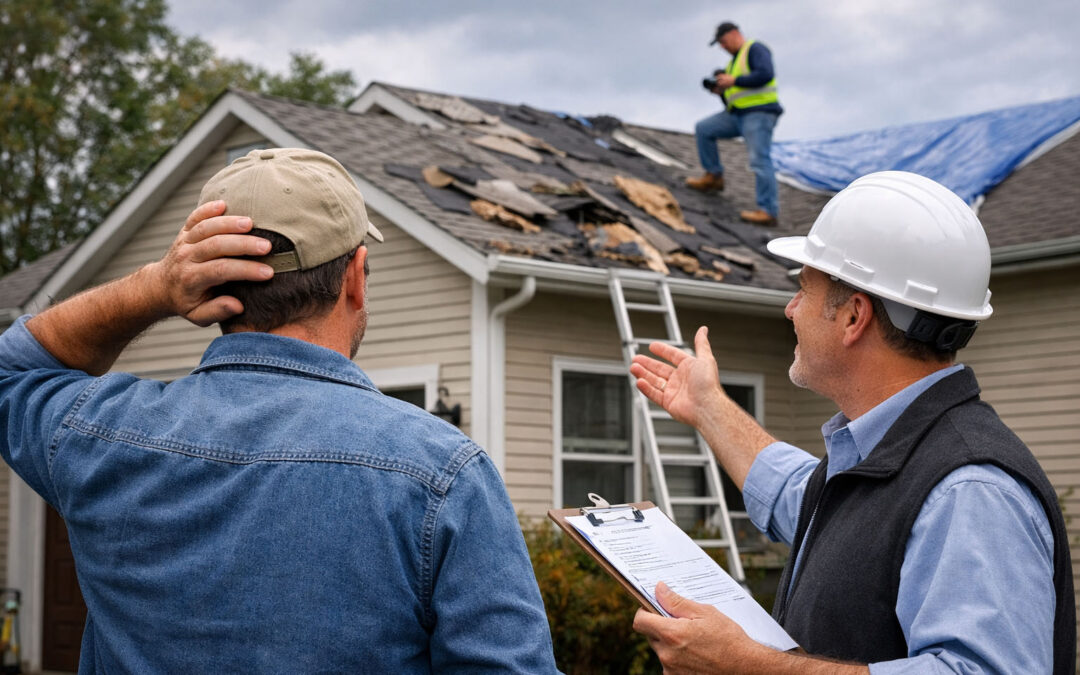
Roof damage is stressful because it isn’t simply a “roofing problem”. It can quickly involve your insurance, create extra paperwork, and sometimes complicate your schedule. You might find shingles scattered on the ground, water spots spreading across your ceiling, or a tree limb that hit the roof. Yet the big question remains, "Will my insurance cover this, or am I responsible for the cost?"
Let’s break down the claims process in simple steps, using real advice from Warren and his team. This will help you feel less overwhelmed, avoid common surprises, and make a smart decision if you need repairs.
The Two Biggest Worries Homeowners Have After a Storm
When you call a roofer after a storm, it’s natural to feel anxious, especially knowing the significant investment a new roof requires. The high cost of reroofing a home can catch many homeowners by surprise, turning an already stressful situation into a major financial burden.
As Warren puts it, “We understand that the price of a new roof can be overwhelming. It’s a considerable expense, and we recognize why homeowners may feel uneasy about moving forward.”
Most people do not write big checks for home repairs very often. This is not like replacing a faucet. A roof is one of the largest investments homeowners make, and it protects everything beneath it.
The second big worry is the unknown. You pay for insurance, but you don't really know how your policy works until you need it.
Warren says it clearly.
“You’ve been faithfully paying into your insurance policy and hope it will protect you when you need it most. But it is understandable to feel uncertain about what to expect, and our team is here to help guide you through the process.”
That is often why homeowners feel stuck in situations like these. Many worry about filing a claim they might later regret, facing large out-of-pocket expenses, or choosing the wrong contractor who may not have their best interests at heart.
Before You File a Claim, Know This About Insurance Companies
Not all insurance policies are the same. Even if two people both have “homeowners insurance,” their coverage can vary significantly.
Warren explains.
“Some insurance companies are more stringent, while others offer more flexible policies and are generally more expensive. It’s like health insurance.”
In other words, you can pay less each year for a basic policy, but you might have higher deductibles or fewer benefits when a storm hits. Or, alternatively, you can pay more for better coverage.
This is why Roofs By Warren often starts with a simple question, "Who is your insurance company?”
We are not asking out of curiosity but are trying to understand the process you may be facing and the potential problems.
Will You Get Dropped for Filing a Claim?
Many homeowners hesitate to file an insurance claim because they worry their insurer may drop them. According to Warren, the outcome usually depends on a homeowner’s claim history.
If someone files multiple claims or relies on insurance for every minor issue, it can raise concerns with an insurer. However, for homeowners who haven’t filed many claims or whose last claim was at least 10 years ago, the situation is typically very different.
Warren emphasizes an important point for homeowners.
“It doesn’t make sense not to call, even if rates increase or, in rare cases, coverage changes.”
The reason is simple. When legitimate storm damage occurs, the cost of replacing a roof can far outweigh a modest increase in insurance premiums.
For example, a homeowner might have a $15,000 roof replacement covered, while their insurance rates increase by only $300 to $500 per year. For most homeowners, that’s a tradeoff well worth making.
The “Gotcha” Most Homeowners Miss in Their Policy
One of the most common reasons homeowners are caught off guard isn’t that insurance companies are being deceptive. It’s because policy details change, and those changes often go unnoticed.
Warren says he sees this happen frequently.
“Homeowners get letters in the mail, skim them, and assume it’s nothing important. But that letter may be notifying you that your wind and hail deductible has changed, and you don’t even realize it.”
That wind and hail deductible can have a major financial impact. In some cases, it’s a flat amount, such as $500. In others, it’s calculated as a percentage of your home’s value, often 1% or 2%, which can quickly add up to thousands of dollars out of pocket.
Take this step today.
-
Locate your insurance declarations page
-
Review your wind and hail deductible
-
Check for any recent policy change notices
A few minutes of review now can help you avoid an unpleasant surprise when you need coverage most.
ACV vs. RCV: The Two Policy Types That Can Change Everything
Another area where homeowners often feel confused is their claim coverage type. According to Warren, many people don’t realize there’s a significant difference between ACV and RCV policies until they’re already dealing with a claim.
“There’s an ACV policy, and there’s an RCV policy, and they work very differently.”
Here’s an easy way to understand the distinction.
ACV (Actual Cash Value)
With an ACV policy, your roof is treated like a depreciated asset. Insurance considers its age and remaining life expectancy, then pays only what it determines to be its present value.
Warren explains.
“If it’s a 20-year roof and you’ve already gotten 10 years out of it, they consider it worth about half its original value.”
If a roof replacement costs $10,000, the insurance payout may be closer to $5,000 minus your deductible, which could be the full settlement.
RCV (Replacement Cost Value)
With an RCV policy, insurance may initially pay a depreciated amount. However, once the repairs or replacement are completed and the required documentation is submitted, the remaining balance can be reimbursed.
“Once the work is completed, they’ll release the rest of the payment.”
This is why Roofs By Warren helps homeowners review and understand their policy early in the process. Knowing whether you have ACV or RCV coverage allows you to plan more confidently and avoid unexpected financial gaps.
3 Simple Steps to File a Roof Damage Claim
Warren breaks down the insurance claims process in an easy-to-understand way.
“It’s really just three simple steps to file a claim."
Here’s how it works.
Step 1: Contact your insurance company and file a storm damage claim
Start by calling your insurance provider and letting them know you’re filing a claim for storm-related roof damage.
Step 2: Obtain your claim number
Be sure to ask for and record your claim number. This becomes the reference point for everything that follows.
Step 3: Schedule the adjuster appointment and involve your roofer
Warren recommends getting the adjuster’s name and direct contact information, then setting a firm time for the inspection. Once that’s done, share those details with your roofing contractor.
Why does this matter? Because the adjuster visit isn’t the finish line; it’s the beginning of the process. Having your roofer involved early helps ensure nothing is overlooked.
Why Meeting the Adjuster With Your Roofer Makes a Difference
When the insurance adjuster arrives, Roofs By Warren takes a calm, professional approach. Rather than interrupting or disputing findings on the spot, they allow the adjuster to do their job.
“We hang back, let the adjuster complete their inspection, and then review everything together afterward.”
This matters because adjusters are often working on tight schedules. Details can be missed, and out-of-state adjusters may not be fully familiar with local building codes or requirements.
Warren also emphasizes the mindset his team brings to every claim:
“This is just the beginning of the process. If something needs to be adjusted, we’ll handle it.”
That ongoing support is a key part of the value Roofs By Warren provides. While some roofing companies step away after the adjuster visit, Warren’s team stays involved, helping navigate revisions, documentation, and follow-ups as the claim moves through the system.
How to Work With an Adjuster Without Complicating the Process
Warren offers straightforward guidance for homeowners navigating an adjuster inspection. Always remain professional and respectful throughout the interaction.
“You don’t want to create unnecessary tension. The goal is to stay cooperative, review the paperwork, and move forward.”
He also cautions against roofing contractors who take an aggressive or confrontational approach during inspections.
“Getting on the roof and telling an adjuster how to do their job or coming across as arrogant can work against you.”
Instead, homeowners benefit from working with a roofer who understands the insurance process and can address discrepancies appropriately. Legitimate concerns are best handled through proper documentation, clear communication, and professional follow-up after the inspection.
What a Successful Project Should Look Like
When a roofing project is handled properly, homeowners expect two outcomes: a quality roof and a smooth, well-managed experience.
Warren describes an ideal finish this way.
“Everything is crisp, clean, and complete with no debris left behind.”
From an insurance standpoint, the best results are equally straightforward. Homeowners should feel confident that the process has been handled for them, from start to finish.
“They shouldn’t have to do much beyond choosing a color and signing the final paperwork. We take care of everything in between.”
That is the standard Roofs By Warren aims to deliver: clear communication, minimal stress, and a finished roof that protects the home for years to come.
What To Do Next
If you suspect your roof may have been damaged by wind, hail, or a fallen tree, it’s important not to rely on assumptions or delay action. Minor issues can quickly develop into larger, more costly problems if left unaddressed.
The best first step is a professional inspection followed by a clear, informed plan.
Roofs By Warren takes the time to explain what’s happening with your roof, outline your options, and walk you through the insurance claim process. As Warren puts it, homeowners quickly understand what he values most.
“I aim to be straightforward, informative and honest, with no runaround.”
If you’re looking for clear answers and dependable support throughout the claims process, contact Roofs By Warren to schedule an inspection. The sooner you understand your situation, the sooner you can protect your home and move forward with confidence.