
Why Choosing the Right Roof Installer Matters
Roof installation is one of the most significant investments you’ll make as a property owner. A new roof protects your home, increases its value, and provides peace of mind for decades to come. With such a significant investment on the line, choosing the right contractor is critical.
Quick Answer: Key Factors to Consider Before Hiring a Roof Installer
- Verify credentials – Confirm licensing, insurance, and manufacturer certifications
- Review past work – Ask for portfolios and local references
- Understand warranties – Know what’s covered for materials and workmanship
- Clarify the process – Determine if they’ll do a tear-off or overlay
- Discuss materials – Get expert recommendations for your home and climate
- Confirm timeline – Understand how long the project will take
- Ensure property protection – Learn how they’ll safeguard your landscaping and driveway
- Ask about ventilation – Proper attic airflow extends roof life
- Plan for delays – Know their contingency plans for weather or material issues
- Explore bundled services – Consider adding gutters, siding, or skylights
The difference between a roof that lasts 20 years and one that fails prematurely often comes down to installation quality. As research shows, improper installation can lead to leaks, material failure, and costly repairs. Even premium materials won’t perform well if they’re installed incorrectly.
Asking the right questions before you hire helps you identify qualified professionals, avoid common pitfalls, and ensure your investment is protected. This guide will walk you through ten essential questions that separate reputable contractors from those who might cut corners.
Whether you’re dealing with storm damage, an aging roof, or simply want to improve your home’s curb appeal, these questions will help you make an informed decision.
Questions 1-3: Verifying Credentials and Experience
1. Are You Licensed, Insured, and Certified?
When we start on a roof installation project, the first things we look for in a contractor are their credentials. This isn’t just about paperwork; it’s about your protection and peace of mind.
- Liability Insurance: We ensure our contractors carry robust liability insurance. This protects your property from any accidental damage that might occur during the project. Imagine a stray shingle damaging your landscaping – liability insurance covers that.
- Worker’s Compensation: Roofing is demanding work, and accidents can happen. Worker’s compensation insurance protects the roofing team, meaning you won’t be held responsible if an injury occurs on your property. This is a non-negotiable safeguard for everyone involved, and reputable contractors carry substantial coverage for peace of mind.
- State and Local Licensing: In Ohio, proper licensing ensures that a contractor meets specific standards and is legally authorized to perform work. We always verify that our team holds all necessary state and local licenses for roofing projects in areas like Urbana, London, Grove City, Pickerington, and Bellefontaine.
- Manufacturer Certifications: Certifications from leading manufacturers, like GAF, indicate that a contractor has received specialized training in installing specific products. This often means they can offer improved warranty options that only certified installers can provide. GAF-certified roofers, for instance, are trained to use and install premium roofing materials, which is a hallmark of quality.
By asking about these credentials, you ensure that your roof installation is handled by a reputable, responsible, and skilled team. It’s a foundational step to a successful project. For more insights, check out our guide on Top 5 Questions Every Homeowner Should Ask a Roofer Before Signing a Contract.
2. Can You Provide a Portfolio and References?
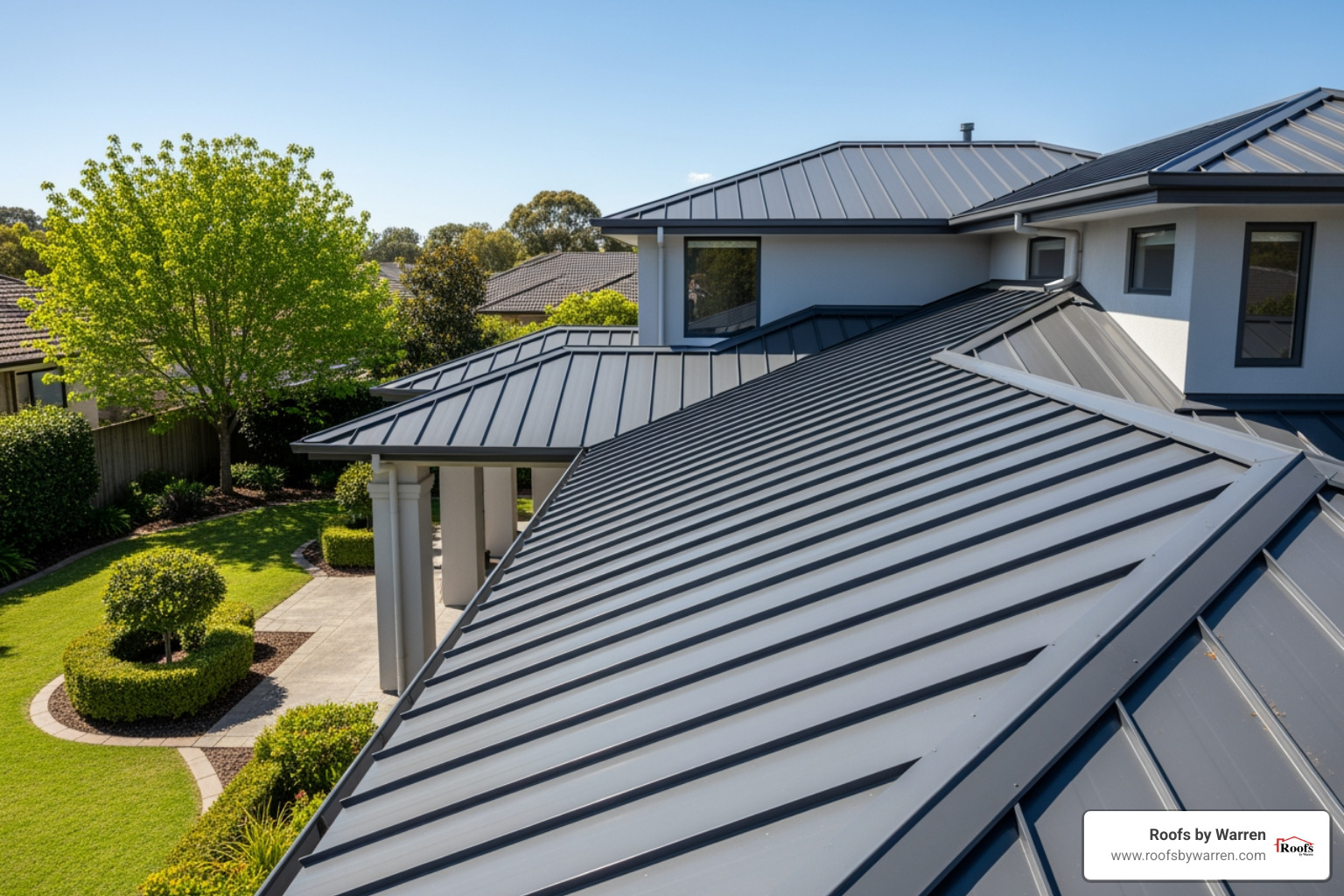
A picture is worth a thousand words, and a satisfied customer’s testimonial is priceless. When we consider a roofing contractor, we always ask to see their portfolio of past projects. This allows us to assess the quality of their work firsthand.
- Past Projects: A comprehensive portfolio should showcase various types of roof installation projects, demonstrating their versatility and expertise. We look for clean lines, proper flashing, and attention to detail.
- Customer Testimonials: Hearing directly from previous clients offers valuable insight into a contractor’s professionalism, communication, and problem-solving skills. We appreciate reviews that speak to the overall customer experience, not just the finished product. You can read some of our customer feedback on our Reviews page.
- Local Work Examples: Seeing work done in your specific area, such as Grove City or Pickerington, is particularly helpful. It shows that the contractor is familiar with local building codes, climate considerations, and architectural styles.
- Vetting Craftsmanship: A strong portfolio and positive references are indicators of consistent, high-quality craftsmanship. They help us understand what we can expect for our own roof installation.
3. What Warranties Do You Offer on Materials and Workmanship?
Warranties are a critical component of any roof installation project, offering long-term protection for your investment. We always discuss warranty details thoroughly to ensure our clients understand their coverage.
- Manufacturer Warranty: This warranty covers the roofing materials themselves, protecting against defects in manufacturing. For example, asphalt shingle manufacturers often offer warranties ranging from 20-30 years, with premium options extending up to 50 years or even “lifetime.” Metal roofs, known for their longevity, can carry warranties that reflect their expected lifespan of 50 to 70 years. It’s important to know what specifically is covered, such as material defects, and what might void the warranty.
- Workmanship Warranty: This is the contractor’s guarantee that the roof installation was performed correctly, according to industry standards and manufacturer specifications. This Old House general contractor Tom Silva emphasizes that manufacturer warranties cover material defects, while workmanship warranties cover installation quality. An improperly installed roof, even with high-quality materials, can lead to significant issues. We offer workmanship warranties to stand behind the quality of our team’s labor.
- Coverage Details and Exclusions: We review the specifics of what each warranty covers, including any limitations or exclusions. For instance, some warranties might require specific maintenance schedules to remain valid.
- Transferability: If you plan to sell your home, understanding if the warranty can be transferred to a new homeowner can be a significant selling point.
- Labor Guarantees: These assurances from the contractor demonstrate their confidence in their team’s skills and the durability of their work.
Questions 4-7: Understanding the Roof Installation Process
4. Will You Perform a Full Tear-Off or an Overlay?
This question gets to the heart of the roof installation process and can significantly impact the longevity and integrity of your new roof. We believe in transparency and educating our clients on the best approach for their home.
- Roof Tear-Off Benefits: A full tear-off involves removing all existing roofing materials down to the roof deck. This Old House general contractor Tom Silva prefers this method, even for a single-layer roof, because it allows us to:
- Inspect the Roof Deck: We can thoroughly inspect the underlying roof deck for any rot, damage, or weaknesses. Replacing compromised sections ensures a solid foundation for your new roof.
- Upgrade Flashing: It allows for the installation of new, modern flashing around chimneys, vents, and valleys, which is crucial for preventing leaks.
- Ensure System Integrity: A new roof system, from underlayment to shingles, can be installed uniformly, optimizing its performance and lifespan.
- Comply with Codes: In many areas, building codes allow for a maximum of two layers of asphalt shingles. If you already have two layers, a tear-off is mandatory.
- Roof Overlay Limitations: An overlay (also known as re-roofing) involves installing new shingles directly over the existing ones. While it might seem like a quicker solution, it has significant limitations:
- Hidden Damage: It can conceal existing damage or rot on the roof deck, leading to future problems.
- Reduced Lifespan: The additional layer adds weight and can trap heat, potentially shortening the lifespan of both the old and new shingles.
- Uneven Appearance: The new shingles may not lay as flat, affecting the roof’s aesthetic appeal.
- Weight Concerns: The added weight can sometimes exceed the structural capacity of the roof, especially in older homes in areas like London or Bellefontaine.
For a thorough and lasting roof installation, we generally recommend a full tear-off. It’s about building a robust system from the ground up. You can learn more about our approach on How Roofs By Warren Handles Roof Replacements.
5. What Roofing Materials Do You Recommend for My Home?
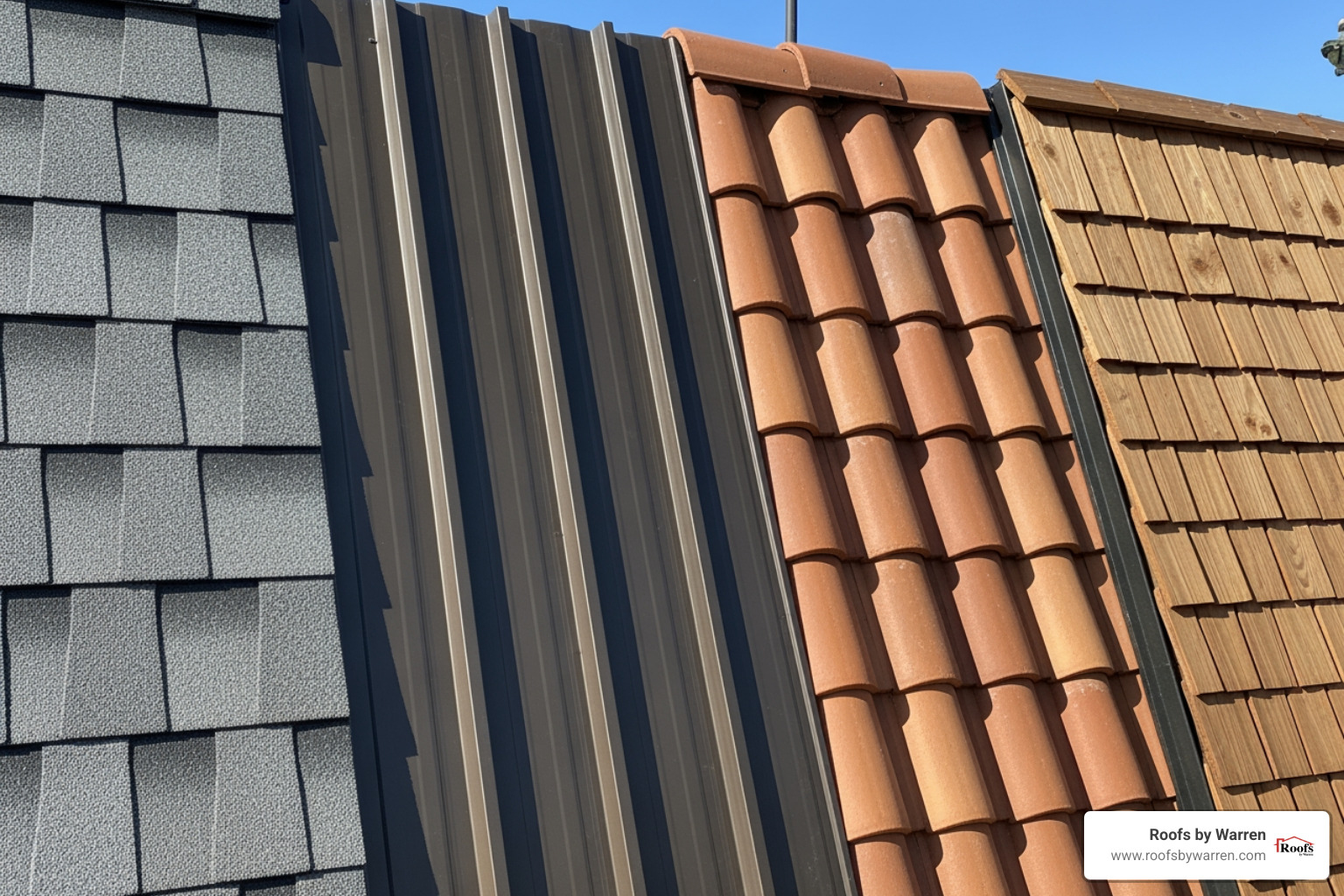
The choice of roofing material is a major decision in any roof installation, influencing your home’s appearance, durability, and energy efficiency. We help our clients in Ohio steer the wide array of options available.
- Asphalt Shingles: These remain the most popular choice for residential roofing, offering a blend of affordability, versatility, and performance.
- Three-Tab Shingles: A classic, economical option, typically lasting around 20 years.
- Architectural (Dimensional) Shingles: These offer a more textured, aesthetically pleasing look, often mimicking wood shakes or slate. They are heavier and more durable, with lifespans often reaching 30 years or more. They are also more resistant to wind damage.
- Pros: Wide range of colors and styles, relatively easy to install and repair.
- Cons: Shorter lifespan than other materials, susceptible to granule loss over time.
Learn more about them on our Asphalt Shingles page.
- Metal Roofing: A premium option gaining popularity for its exceptional longevity and performance.
- Pros: Extremely durable (50-70 year lifespan), excellent resistance to fire, wind, and impact, energy-efficient (can reduce cooling costs by reflecting heat), low maintenance, and often made from recycled materials. Metal roofs are resistant to moss and algae growth.
- Cons: Can be louder during heavy rain or hail.
Explore this option further on our Metal Roofing page.
- Material Pros and Cons: We consider factors like your home’s architectural style, your budget, and your long-term goals. For example, metal roofs are an excellent choice for durability and energy savings, offering a clean, modern look.
- Climate Considerations: In Ohio, we experience a range of weather conditions, from hot summers to cold, snowy winters. We recommend materials that can withstand these extremes. For instance, proper underlayment, such as an ice and water shield, is crucial for preventing ice dams in colder months.
- Home Aesthetics: We work with you to select a material and color that complements your home’s exterior and improves its curb appeal.
For a detailed comparison, see our article on Comparing Asphalt Shingles vs. Metal Roofing.
6. What Are the Key Steps in Your Roof Installation Process?
A well-executed roof installation follows a systematic process to ensure quality and durability. We outline our steps clearly so you know exactly what to expect.
- Property Protection: Before any work begins, we take measures to protect your home and landscaping. This includes covering shrubs and plants, and ensuring your driveway is safe for equipment.
- Old Roof Removal: As discussed, we typically perform a full tear-off, removing all existing layers of shingles and underlayment. This allows for a clean slate.
- Deck Repair and Inspection: Once the old materials are off, we thoroughly inspect the roof deck for any damage, such as rot, soft spots, or loose boards. Any necessary repairs are made to ensure a solid foundation.
- Underlayment Installation: We then install a protective layer of underlayment, such as a synthetic or felt material, over the entire roof deck. This acts as a secondary barrier against moisture and improves the roof’s fire resistance. In critical areas like eaves and valleys, we install an ice and water shield for superior leak protection.
- Flashing Installation: Proper flashing is essential around all roof penetrations and junctions—such as chimneys, skylights, vents, and valleys—to prevent water intrusion. We ensure these vulnerable areas are sealed carefully.
- Shingle Application: Whether it’s asphalt or metal, the main roofing material is then installed according to manufacturer specifications and industry best practices. This includes careful alignment, proper nailing patterns, and ensuring correct overlaps.
- Ridge Vent Installation: Adequate attic ventilation is crucial for the health and longevity of your roof. We often install ridge vents to promote continuous airflow, which helps regulate attic temperature and prevent moisture buildup.
- Site Cleanup: Upon completion, we conduct a thorough cleanup of the job site, including using magnetic sweeps to collect any stray nails. We leave your property as clean, or cleaner, than we found it.
Our process adheres to premier technical guidance, such as that provided by the National Roofing Contractors Association.
7. How Do You Ensure Proper Attic Ventilation?
Attic ventilation is often an overlooked, yet vital, component of a healthy and long-lasting roof installation. We understand its importance for homes in Ohio.
- Roof Longevity: Proper ventilation helps prevent premature aging of roofing materials. Without it, heat and moisture can build up in the attic, causing shingles to curl, crack, or blister from the underside. This Old House notes that poor attic ventilation can contribute to premature roof failure.
- Home Comfort and Energy Efficiency: A well-ventilated attic helps regulate indoor temperatures. In the summer, it allows hot air to escape, reducing the load on your air conditioning system and improving energy efficiency. In the winter, it helps prevent ice dams by keeping the roof deck temperature closer to the outside air temperature. Cool roof shingles, for example, can significantly reduce attic temperatures, even making the attic only 5-10 degrees warmer than the outside, compared to 50-85 degrees warmer without them.
- Ridge Vents and Soffit Vents: A balanced ventilation system typically involves intake vents (often soffit vents under the eaves) and exhaust vents (commonly ridge vents along the peak of the roof). This creates a continuous airflow, drawing cool air in and pushing hot, moist air out.
- Balanced Airflow: The goal is to achieve a balanced system where the amount of intake ventilation roughly matches the amount of exhaust ventilation. This prevents stagnant air pockets and ensures efficient heat and moisture removal.
- Moisture Prevention: Beyond temperature control, ventilation is crucial for managing moisture. Excess moisture in the attic can lead to mold growth, wood rot, and insulation damage, compromising your home’s structural integrity and indoor air quality.
Questions 8-10: Finalizing the Project Details
8. How Will You Protect My Property During the Installation?
A professional roof installation extends beyond just the roof itself; it includes meticulous care for your entire property. We prioritize protecting your home and landscaping throughout the project.
- Landscaping Protection: We use heavy-duty tarps and protective coverings to shield your shrubs, flowerbeds, and other landscaping features from falling debris, dust, and tools.
- Driveway Safety: Your driveway and walkways are important access points. We take precautions to prevent damage from heavy equipment, material deliveries, and debris containers. This might include using wood blocks under dumpsters to prevent dents, as recommended by industry experts.
- Debris Management: We maintain a clean work environment throughout the project. Debris is regularly collected and disposed of in designated containers to minimize clutter and hazards.
- Magnetic Nail Sweep: After the roof installation is complete, we perform a thorough magnetic sweep of your property, including lawns, driveways, and pathways, to collect any stray nails or metal fragments. This prevents potential tire punctures or injuries.
Preparing your home for our team’s arrival helps us protect your property even better. Read our tips on How to Prepare Your Home for Roof Installation.
9. What Is the Estimated Timeline and How Do You Handle Delays?
Understanding the timeline for your roof installation is important for planning. We provide clear estimates and communicate proactively about any potential delays.
- Project Duration: For an average residential roof (3,000 square feet or less), a full tear-off and roof installation can often be completed in about two days, sometimes up to three days for larger or more complex jobs. However, more intensive projects might take longer, potentially up to a week. We provide a realistic estimate based on your specific roof.
- Weather Contingency Plans: The weather in Ohio can be unpredictable. We have clear contingency plans for rain, high winds, or other inclement conditions that might necessitate pausing work. We ensure your roof is protected at the end of each workday, regardless of the weather forecast.
- Material Supply Chain: While we strive to maintain efficient material sourcing, supply chain issues can occasionally arise. We keep you informed about the status of materials and any potential impacts on the schedule.
- Communication Plan: Clear and consistent communication is key. We establish a communication plan at the outset, letting you know who your main point of contact will be and how often you can expect updates on project progress and any unexpected developments.
- Project Milestones: We break down the roof installation into clear milestones, from tear-off to final cleanup, so you can track progress and feel confident that the project is on track.
10. Do You Offer Other Services We Could Bundle?
A roof installation often presents an ideal opportunity to address other exterior home improvements. We offer a range of services that can be bundled for efficiency and convenience.
- Gutter Installation: New gutters are essential for directing water away from your home’s foundation, and installing them concurrently with a new roof ensures optimal integration and performance. We offer expert Gutter Installation services.
- Siding Replacement: If your siding is showing signs of wear or you’re looking to update your home’s exterior aesthetic, replacing it during a roof installation project can be highly efficient. It allows for seamless transitions and can improve your home’s overall curb appeal and protection. Explore our Siding options.
- Skylight Installation: If you’ve ever considered adding natural light to an interior space, a roof replacement is the perfect time to install or replace skylights. This ensures proper flashing and integration with the new roofing system.
- Project Efficiency: Bundling services can save you time and coordination efforts, as you’re working with a single, trusted contractor. It can also lead to a more cohesive and aesthetically pleasing exterior for your home.
- One-Stop Solution: As a comprehensive exterior solutions provider for residential and commercial properties in Urbana, London, Grove City, Pickerington, and Bellefontaine, we aim to be your one-stop shop for all your home improvement needs, simplifying the process for you.
Frequently Asked Questions about Roof Installation
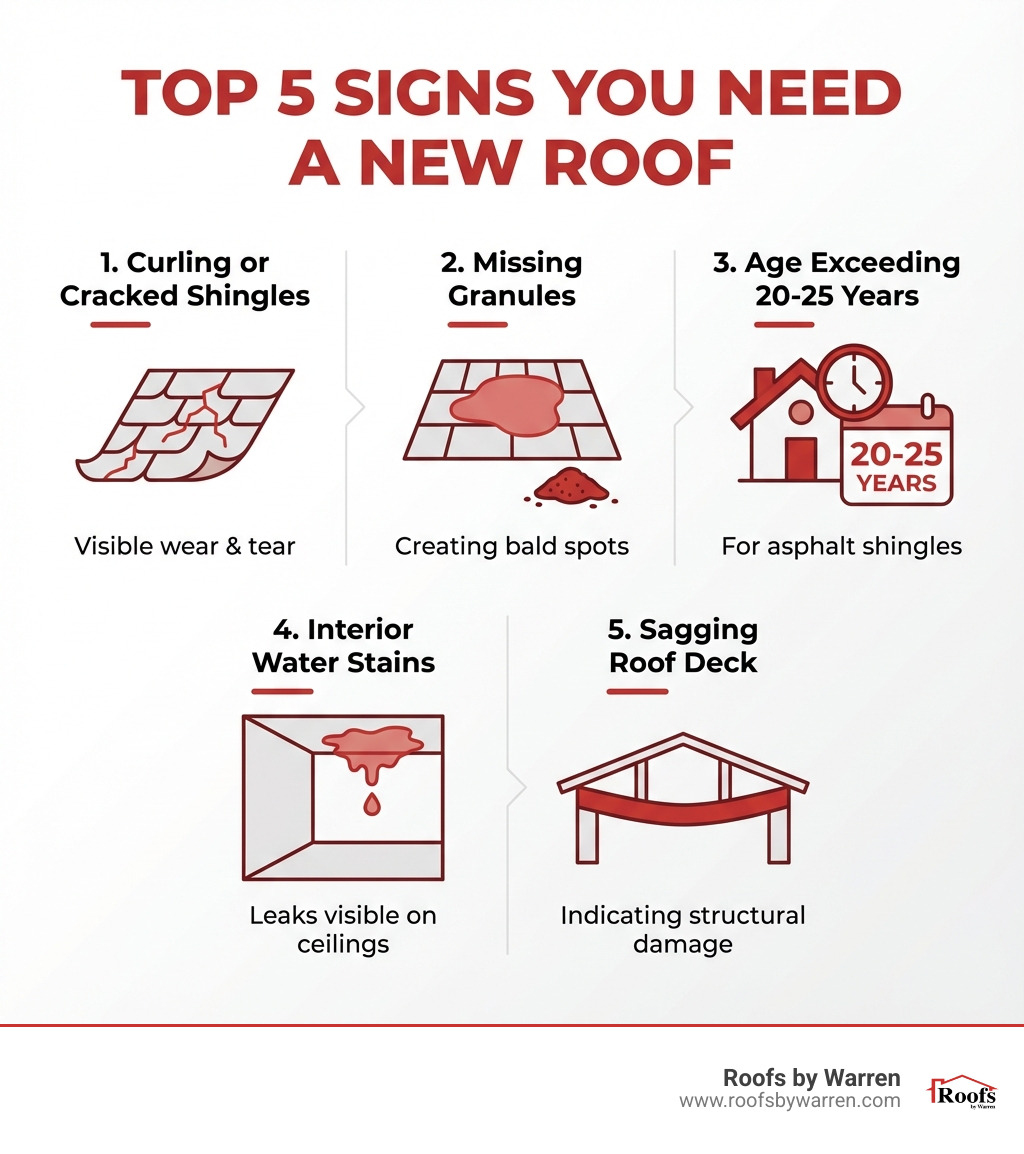
What are the signs that my roof needs replacement?
Recognizing the signs that your roof is nearing the end of its life can save you from more extensive damage down the line. Here are common indicators we look for:
- Curling or cracked shingles: Shingles that are curling upwards, cupping, or showing visible cracks are a clear sign of aging and wear.
- Missing granules: For asphalt shingles, the granules protect the asphalt from UV rays. If you see bald spots on your shingles or excessive granules in your gutters, it means the protective layer is wearing off.
- Moss or algae growth: While not always a sign of immediate failure, excessive moss or algae can trap moisture, accelerating deterioration of the shingles and potentially indicating underlying moisture issues.
- Water stains on ceilings: Stains on your interior ceilings or walls are a definite sign of a leak, indicating that water has penetrated your roof system.
- Sagging roof deck: A visible sag or dip in your roofline suggests structural issues with the roof deck or framing, which requires immediate attention.
- Age of the roof: The lifespan of a roof varies by material, but asphalt roofs with good ventilation typically last around 25 years. If your roof is approaching or exceeding its expected lifespan, even without obvious damage, it’s wise to consider replacement. Industry experts often recommend replacing materials around 80-85% of their life to avoid risks.
What are ‘cool roof’ shingles?
‘Cool roof’ shingles are a type of roofing material designed to reflect more sunlight and absorb less heat than traditional dark-colored roofing. This technology offers several benefits, especially for homeowners in regions like Ohio during warmer months:
- Heat reflection: These shingles are manufactured with special granules that have higher solar reflectance, meaning they bounce a significant portion of the sun’s energy away from your roof.
- Improved Energy Efficiency: By absorbing less heat, cool roof shingles reduce the amount of heat transferred into your attic and, consequently, into your home. This can lead to a noticeable reduction in air conditioning usage and improve your home’s overall energy efficiency.
- Reduced attic temperature: Research from ENERGY STAR indicates that while a traditional attic can be 50–85 degrees warmer than the outside on a hot day, a cool roof can reduce that difference to as little as 5–10 degrees.
- Solar reflectance and thermal emittance: When comparing cool roof products, we look for high numbers in both solar reflectance (how much solar energy is reflected) and thermal emittance (how much absorbed heat is radiated back into the atmosphere).
You can Learn more about cool roofs from ENERGY STAR and how they can benefit your home.
Can I file an insurance claim for my new roof installation?
Whether you can file an insurance claim for a new roof installation depends entirely on the cause of the damage or the reason for replacement.
- Storm damage assessment: If your roof has suffered damage from a covered peril, such as a severe storm, hail, or high winds, your homeowner’s insurance policy may provide coverage for repairs or replacement.
- Hail damage: Hail can cause significant, often unseen, damage to shingles, leading to cracks, bruising, or granule loss. We conduct thorough inspections to identify hail damage that might warrant an insurance claim.
- Wind damage: Strong winds can lift, tear, or completely remove shingles, exposing your roof deck to the elements. Our team can assess how wind damage affects your entire roofing system and help document it for your claim.
- Inspection process: The first step is always a professional roof inspection to accurately assess the damage and determine if it’s covered by your policy. We provide detailed reports and photographic evidence to support your claim.
- Insurance claim assistance: Navigating the insurance claim process can be complex. We offer comprehensive insurance claim assistance, working with you and your insurance company to ensure a smooth and fair process.
For more information, visit our page on Can I Claim a New Roof on My Insurance?.
Conclusion
Choosing the right contractor is as crucial as selecting the right materials for your roof. By asking these ten essential questions, you can confidently hire a professional who is transparent, skilled, and reliable. A properly executed roof installation is a long-term investment in your home’s protection and value.
At Roofs by Warren, we are committed to providing homeowners in Urbana, London, Grove City, Pickerington, and Bellefontaine with exceptional craftsmanship and peace of mind through every step of the process. We believe in integrity, skilled work, and being your trusted partner for all your exterior needs.
Ready to invest in a durable and beautiful new roof? Schedule Your Professional Roof Installation Today.